What Equipment Do You Need to Open a Tiffin Shop?
Most people opening a tiffin shop buy the equipment in the wrong order. They start with what is visible to the customer — the counter, the display, the signage — and fit the kitchen around what is left. Six months later the shop is busy and the kitchen cannot keep up, so the money goes in again, in a hurry, at worse prices.
This list is in the order that actually works: what you cannot open without, what to add when labour becomes your bottleneck, and what is a new revenue line rather than a necessity. We sell most of these machines, and we have deliberately put several of them in the "wait" sections, because selling somebody a machine they are not ready for is how you lose a customer for good.
Phase one: you cannot open without these
1. A commercial wet grinder
This is the machine the whole business runs on. If the batter is not ground and fermented by the time you open, nothing else in the kitchen matters. A domestic table-top grinder run at commercial volume will not last the year.
A single-outlet shop usually lands on the 10 litre tilting grinder. Starting small and tight on cash, the 7 litre is a genuine commercial machine at a lower entry price. Sizing this properly is the single most important decision on this page — the wet grinder buying guide works through it in detail.
2. An idli steamer
Your batter is only revenue once it is cooked, and the steamer sets how many plates an hour you can put out. An 8-tray electric idli steamer suits a shop starting out; a 12-tray is the one to buy if breakfast is going to be your busiest hour, which for a tiffin shop it almost always is.
If idiyappam is on the menu from day one, the 12-tray idiyappam steamer is a separate machine rather than an attachment — plan for both or choose one to start.
3. Dosa tawas, and more than one
Buy two of the same size, not one. Two pans on two burners roughly doubles what you can put out at the morning rush, and when one needs wiping down the service does not stop. Cast iron is the right choice here for one reason: it holds heat. A thin pan drops in temperature the moment batter hits it and steams the dosa instead of crisping it.
For a shop, the 12 inch double-handled tawa gives you the restaurant-size dosa customers expect, and two handles are safer than one at that weight. The dosa tawa guide covers flat versus raised edge, which matters if uthappam is on the board.
4. A coconut scraper
Every plate that leaves your kitchen has chutney on it. Scraping coconut by hand is the job that quietly eats a staff member's entire morning, and it is the cheapest piece of automation on this whole list.
A stainless steel hand scraper is enough for a small shop. Once you are getting through serious volume daily, the commercial coconut scraper machine pays for itself faster than almost anything else here.
5. Heavy pans for sambar and chutney
Sambar sits on low heat for a long time and catches on a thin base. A 12 inch cast iron kadai holds steady heat, handles the tempering, and does not warp the way pressed aluminium does after a few months of commercial use.
6. The things that are not machines
Budget for these properly, because they are where first-time owners run short: fermentation vessels and somewhere warm to keep them, a prep table, a two-sink wash area, shelving, gas stove and cylinders, exhaust, and enough serving vessels to get through the rush without washing mid-service. Budget for the paperwork too: a food business needs FSSAI registration and local trade licences before it opens, and that is worth starting early rather than discovering a week before you want to serve.
Phase two: add these when labour is your bottleneck
The trigger for everything in this section is the same. When you are paying someone to do a job a machine does in a tenth of the time, buy the machine. Not before — a machine standing idle is money that should have been working capital.
A vegetable cutting machine
The arithmetic is brutal and in the machine's favour. Two people chopping onion for two hours a day is roughly 120 paid hours a month, before anyone cuts a finger. A mini vegetable cutting machine handles a small shop's sambar and chutney prep; the full-size machine suits a kitchen doing real volume. The vegetable cutter guide covers capacity and blades.
An onion, garlic and ginger peeler
Peeling is the other job that eats hours invisibly. The MultiPeel Plus peeler becomes worth it at the point where somebody is peeling for more than an hour every morning.
A dough kneader — only if chapathi and poori are on the menu
Kneading by hand limits how much you can sell and is hard on whoever does it. Sizes step with your volume: the 5 kg kneader for a small shop, the 10 kg or 15 kg once chapathi is a main line rather than a side item.
Phase three: new menu, new revenue
Nothing here is necessary. Each one exists to sell something you are not selling today, so judge it as an investment with a payback, not as kitchen equipment.
- Chapathi pressing machine — turns chapathi from a slow hand job into something you can sell at volume. Worth it when you are already selling as many as one person can roll.
- Sugarcane juice machine — a shopfront machine that draws people in off the street, with margins that have nothing to do with your kitchen. The mini version fits a counter where the full machine will not.
- Chips machines — banana and potato chips sell by weight, keep for days, and use the frying setup you already own. One of the better additions for a shop with idle afternoon hours.
- Halwa making machine — for a shop moving into sweets, especially around festivals.
- A 12-pit paniyarakkal — the cheapest new menu line on this page. It uses the batter you already grind and the stove you already have.
What not to buy first
- A conveyor vegetable cutter. Below roughly 300 kg a day it is capacity you are paying for and not using. Buy it when the batch machine is genuinely the thing slowing you down.
- The biggest grinder "for when we grow". A 20 litre drum run at a quarter full grinds badly, and the money is better in your working capital for the first year. Size for the business you have, with headroom — not for the one you hope for.
- Display and branding before the kitchen works. Customers forgive a plain counter. They do not come back after waiting forty minutes for an idli.
- Three different machines for three jobs one machine does. Check whether a blade change covers it before buying a second machine.
Plan the power and the space before anything is delivered
- Add up the connected load first. A grinder, a steamer, a cutter and a kneader running together is a serious load, and a kitchen close to its limit will trip when a big motor starts. Get an electrician to confirm the supply before you order, not after the machine is standing in the shop. If your supply is three phase, say so when you enquire and we will confirm what is available.
- Drainage near the wet machines. Grinder and steamer both need rinsing several times a day. If the drain is across the kitchen, they will be cleaned less often than they should be.
- Level floors, and fix stands down. A grinder that walks under load damages its own mounting.
- Leave working clearance. A tilting drum needs room in front and a vessel underneath. Measure it on the floor with chalk before delivery day.
- Ventilation over the frying and the tawas. It is a staff retention issue as much as a comfort one.
Frequently asked questions
What is the minimum equipment needed to open a tiffin shop?
A commercial wet grinder, an idli steamer, at least two dosa tawas, a coconut scraper and a heavy pan for sambar and chutney. Around those sit the things that are not machines and are usually under-budgeted: fermentation vessels and a warm place for them, a prep table, a two-sink wash area, shelving, stove and cylinders, exhaust, and enough serving vessels to get through the rush without washing up mid-service.
Should I buy the grinder or the steamer first?
The grinder, because nothing downstream works without batter. If the batter is not ground and fermented by opening time, no amount of steamer capacity helps. Buy the grinder at the right size first, then match the steamer to the breakfast rush, which for a tiffin shop is almost always the busiest hour of the day.
Do I need a vegetable cutting machine from day one?
No. Buy it when you are paying someone to do a job the machine does in a tenth of the time. Two people chopping for two hours a day is roughly 120 paid hours a month, and that is the point at which the arithmetic turns. Before then the money is better kept as working capital, and a machine standing idle is a cost.
How much power supply does a tiffin shop kitchen need?
More than most first-time owners plan for, because a grinder, a steamer, a cutter and a kneader can run at the same time and large motors draw heavily on starting. Add up the connected load of everything you intend to buy and have an electrician confirm the supply before you order, not after a machine is standing in the shop. Plan drainage near the wet machines at the same time.
Which kitchen equipment gives the fastest return?
For a South Indian shop, the coconut scraper is usually the cheapest piece of automation with the quickest payback, because every plate carries chutney and hand scraping quietly consumes a whole morning. After that it is whichever machine replaces the job currently taking the most paid hours, which is normally chopping or peeling rather than anything at the customer-facing end.
Working out your own list
Tell us what you plan to serve, roughly how many plates a day you expect, and the space and power you have. We will put together a list for your kitchen — in phases, with what can wait clearly marked as such.
Ask for an equipment list Browse commercial kitchen equipment
The machines in this guide
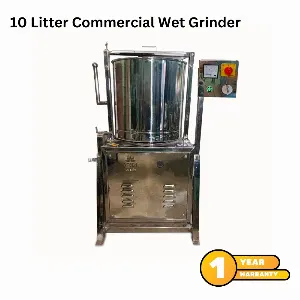 Vtech 10 Litre Commercial tilting wet grinder with timer
$425.10
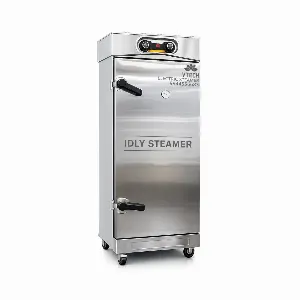 Idly Steamer Electric Commercial - 8 Tray
$484.29
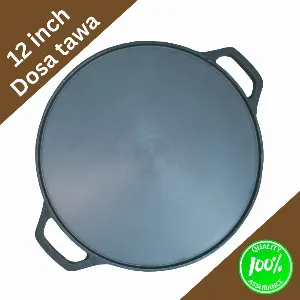 Cast Iron Dosa Tawa - Double Handled 12 Inch
$11.30
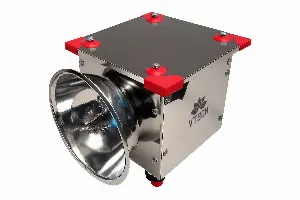 Commercial Coconut Scraper Machine
$29.06
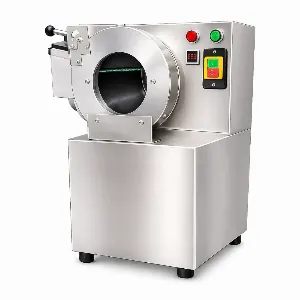 Vtech Mini Vegetable Cutting Machine
$602.67
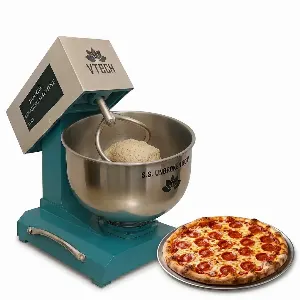 Dough Kneading Machine | Atta Kneader 5 Kg
$226.00